The Sunday Potthesundaypot.com/recipes/cullen-skink/
Cullen Skink: Scottish Smoked Haddock and Potato Soup
By The Sunday Pot Kitchen Updated
- • Use about 12 oz (350 g) of undyed smoked haddock for 4 bowls
- • Poach the fish in 2½ cups (600 ml) of milk until it barely trembles, never boiling
- • Cook 1 lb (450 g) of diced potatoes with onion in a little water
- • Crush about a third of the potatoes into the soup to thicken it
- • Add the flaked fish last and heat until steaming hot
Ingredients
4 servingsInstructions
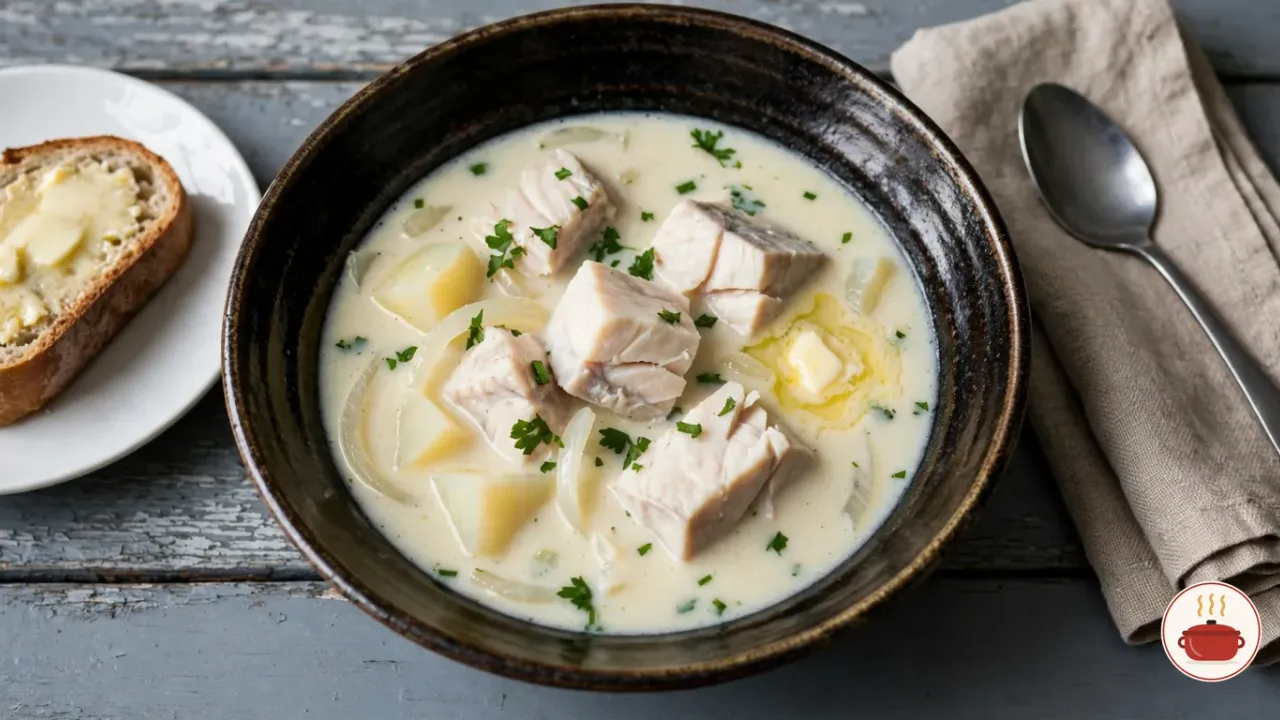
Cullen skink is Scotland’s smoked haddock soup: flakes of smoky fish in milk, with onion and soft potatoes crushed in to thicken it. It comes from Cullen, a small fishing town on the Moray Firth. This version serves 4 and takes about 50 minutes, with no cream needed.
What Cullen skink is
A soup named after a town
Cullen sits on the Moray Firth coast in the north-east of Scotland. Its harbour was “built in 1817-19 by William Minto to a Thomas Telford design”, the Aberdeenshire Historic Environment Record notes. The Gazetteer for Scotland says the town, “with its long fishing tradition, gives its name to a rich creamy haddock soup known as Cullen Skink.”
The soup itself is simple. The Dictionaries of the Scots Language define it as “A soup made from yellow haddocks, potatoes, onions and milk”. “Yellow haddock” is an old Scots name for smoked haddock, not a dye.
Skink means shin
The odd word is Scots. In the same dictionaries, skink is a shin of beef, and the soup made from it. The word comes from the Middle Dutch schenke, a shin. A Scottish record from 1602 already serves “ane dische of bruise and ane uther of skink or kaill”.
So Cullen skink was a beef word that came to mean a fish soup. You may read that “skink” is Gaelic for “essence”. The dictionaries don’t support that.
Finnan haddie
The classic fish is Finnan haddie, a haddock cold-smoked over peat or green wood. The name comes from Findon, a small fishing village near Aberdeen, not from Cullen. “Findon-Haddocks” appear in print by 1707, praised for their “marrowy Taste”.
Where Cullen skink comes from
In a word-list by 1914
The dish is older than its first known recipe. The dictionaries’ earliest source for the name is a Banffshire word-list from 1914. So the soup had a name in the north-east before anyone wrote it into a cookbook.
A cottage recipe in 1929
The earliest recipe we could read is in F. Marian McNeill’s The Scots Kitchen, first printed in April 1929. She calls it “A Cottage Recipe from the Shores of the Moray Firth”.
Her method is plain. Skin a Findon haddock, poach it in just enough water to cover, and add a chopped onion. Then: “Flake the fish and return all the bones to the stock. Boil for one hour.” Hot milk, the fish, mashed potato and a spoonful of butter go in last. There is no cream, no leek and no herb at all.
The hard-times story
Discover Cullen is the town’s own tourism group. It tells how “Hard times in the early 1890s” put beef out of reach, so local families turned to smoked haddock. The group cites no source, so read it as local tradition. Nobody is named as the inventor. The group calls the soup “a tribute to the many wives and mothers from the village”.
Cullen skink this St Andrew’s Day
A bank holiday on Monday 30 November
St Andrew’s Day falls on Monday, November 30, 2026, and it is a bank holiday in Scotland. Cullen skink is a natural pot for the day. It is also a classic starter at a Burns Supper, and Burns Night follows on Monday, January 25, 2027.
A world championship in Cullen
Each March the town holds the Cullen Skink World Championships. On March 1, 2026, at the Seafield Arms, local cooks won both titles, the Northern Scot reported. Lynne Watson of Lily’s Kitchen Café won the Traditional prize, her third win. “It was more or less the same recipe as last year,” she said. Ian Watson of the Cullen Bay Hotel won the Twist category with a nod to a Bermudan fish chowder. The organisers have set the next contest for Sunday, March 7, 2027.
Haddock in 2026
The fish is doing well, for now. Haddock was the most valuable white fish landed by Scottish boats in 2025: 38,337 tonnes, worth £48.1 million. Those are the Scottish Sea Fisheries Statistics, published on October 29, 2026.
For 2026, the EU, Norway and the UK set the shared North Sea and West of Scotland haddock quota at 108,301 tonnes. That is 3.7% less than in 2025, as the Scottish Government’s record shows. For 2027, the scientists of ICES advise a catch of no more than 87,366 tonnes, about 19% lower. The 2027 quota is still to be agreed. The North Sea haddock fishery carries MSC certification until June 2027.
No count for the soup itself
These are figures for the fish. Nobody has put a 2026 number on Cullen skink itself: not sales, not prices, not bowls served. No 2027 food forecast we checked names it either.
What 28 Cullen skink recipes agree on
We compared 28 Cullen skink recipes, read in full. Thirteen are Scottish, from chefs such as Nick Nairn, Tom Kitchin, Gary Maclean and Andrew Fairlie. Others come from Shetland Food and Drink and from a Buckie family recipe shared by Victoria Dixon. The rest come from British outlets such as BBC Good Food and The Guardian, and from cooks further afield.
Haddock, potato, onion and milk
All 28 use smoked haddock, potato, an onion or leek, and dairy. Milk is the base in 24. For 4 bowls, the median is 300 g of fish, 400 g of potatoes and 500 ml of milk. Our recipe sits a little above that, closer to the Scottish versions, which use 500 g of potatoes and more milk.
Onion appears in 23 recipes and leek in 14, often together. Butter goes in 25. The fish is poached first, then flaked back in at the end, in 26 of the 28.
Undyed fish
Fifteen recipes ask for undyed haddock, Finnan haddie or Arbroath smokies. “A natural smoked haddock is an off-white or cream colour,” the travel writers at Grantourismo explain. Bright yellow fillets have added colour. Only one recipe in our set suggests dyed fish, “for a more colourful dish”.
Chunky, crushed or blended
Texture splits three ways: 9 recipes leave the potatoes in cubes, 9 crush some of them, and 10 blend part or all of the soup. The Guardian’s Felicity Cloake warns that without any mashing at all, “the soup will be thin”. Rick Stein crushes “some of the potatoes against the side of the pan”. We follow that middle path.
Cream is optional
Only 11 of the 28 add cream. Several Scottish cooks argue against it. Scottish Scran says “we prefer ours without it as it’s already a rich smoked fish soup”. Grantourismo found that “whole milk and butter made a soup that was rich enough”.
The 1929 recipe is the outlier in another way: it boils the bones for an hour into a stock. Only 2 modern recipes in our set still cook fish bones or heads into a stock.
Tips for a smoky, creamy Cullen skink
- Buy undyed fish. Look for cream-coloured fillets, not bright yellow ones.
- Poach gently. “You want the surface to just barely tremble, not boil,” says the Live Breathe Scotland recipe.
- Keep the milk. The poaching milk carries most of the smoky flavour into the soup.
- Crush, don’t purée. A third of the potatoes is enough to thicken it and keep it chunky.
- Add the fish last. Big flakes stay whole if they only warm through.
- Salt at the end. Smoked haddock brings plenty; taste first.
Serving Cullen skink
Serve it in warm, wide bowls with buttered brown or crusty bread. Oatcakes are the most Scottish choice, as Tom Kitchin suggests. As a Burns Supper starter, ladle smaller bowls; for lunch, serve it in big ones.
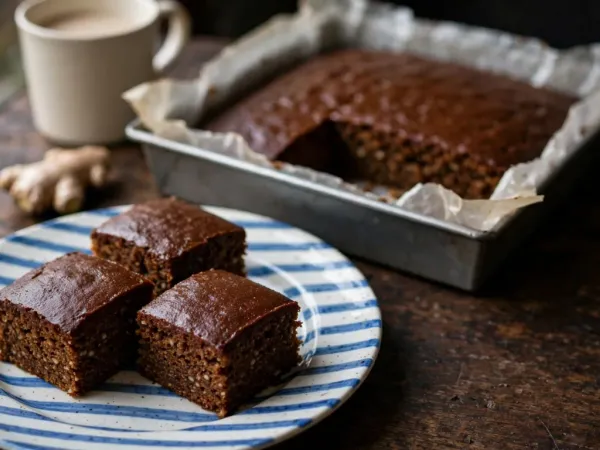
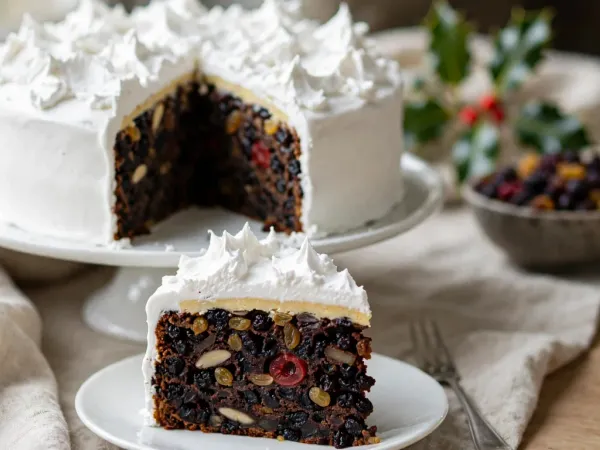
Many cooks find it even better the next day. “Cullen Skink is often better the day after preparation,” writes Victoria Dixon. For a Scottish-and-English autumn table, follow it with Yorkshire parkin, or keep a slice of Christmas cake for later in the season.
Safety, storing and nutrition
Cook smoked fish through
Most smoked haddock is cold-smoked, which means it is still raw. Cook it until the flesh turns opaque and flakes easily, or to 145°F (63°C), the FDA’s target for most seafood. In pregnancy, the NHS says cold-smoked fish “must be cooked until steaming hot”, because it can carry listeria. So bring the finished soup back until it steams, not just warm.
Don’t boil the milk hard
A rolling boil can split the milk. That is about texture, not safety: keep the soup at a steady, steaming simmer instead.
Leftovers
Cool leftovers quickly in smaller containers and get them into the fridge within one to two hours. The UK Food Standards Agency advises eating them within two days or freezing them. Reheat only once, until steaming hot throughout, as its cooking guide says.
The soup freezes, but diced potato can turn grainy and cream can separate. If you plan to freeze it, leave the cream out and add it when you reheat.
Allergens
Cullen skink contains fish and milk, including the butter. Stock cubes, used in some versions, may bring in celery or gluten: read the label. The basic recipe here uses no flour.
Nutrition
A bowl has about 340 calories, with 30 g of protein, 11 g of fat, 30 g of carbohydrate and 3 g of fiber. We estimated this from USDA FoodData Central entries for smoked haddock, potatoes, onion, whole milk and butter. The USDA’s smoked haddock is drier than most fresh British fillets, so the true figures may be a little lower. The smoked fish supplies most of the 740 mg of sodium, before you add any salt.
Fixes for thin, curdled or salty Cullen skink
- It is too thin: crush more of the potatoes, or let it bubble gently, lid off, for a few minutes.
- It is too thick: loosen it with a splash of hot milk.
- The milk curdled: it boiled too hard. Whisk it, take it off the heat, and keep the next batch at a simmer.
- It is too salty: add more milk and a few more cubes of boiled potato.
- The fish fell apart: add it later next time, and stir gently.
- It tastes flat: add more pepper, a knob of butter and more chives.
Substitutes for missing ingredients
- Undyed smoked haddock: Finnan haddie or Arbroath smokies. Tom Kitchin also likes to add some hake.
- Whole milk: half milk and half water, as one recipe in our set allows, for a lighter soup.
- Onion: a leek, or a couple of shallots.
- Floury potatoes: waxy potatoes hold their shape; crush more of them to thicken.
- Chives: flat-leaf or curly parsley.
Frequently asked questions
Is Cullen skink the same as chowder?
No. It shares the idea of fish, potato and milk, but has no clams, bacon or corn. Smoked haddock gives it its own flavour.
Should Cullen skink be smooth or chunky?
Either. In our set, 9 recipes stay chunky, 9 crush some potato and 10 blend. A part-crushed soup keeps both texture and body.
Can I use dyed smoked haddock?
Yes, but the soup will turn yellow. Undyed fish keeps it ivory.
Can I make Cullen skink ahead?
Yes. Make it a day ahead, cool it fast, keep it in the fridge and reheat it once until steaming hot.
What do you serve with Cullen skink?
Buttered brown bread, crusty bread or oatcakes. At a Burns Supper, it often starts the meal.