The Sunday Potthesundaypot.com/recipes/cornbread-dressing/
Southern Cornbread Dressing from Scratch, for Thanksgiving
By The Sunday Pot Kitchen Updated
- • Bake an unsweetened buttermilk cornbread from 2 cups of cornmeal, a day ahead if you can
- • Dry the crumbs for several hours so they soak up broth without turning to mush
- • Soften 1½ cups each of onion and celery in butter, with sage
- • Add broth until the mix is loose like batter, taste it, then add the eggs
- • Bake at 350°F (175°C) for 40 to 50 minutes, to 165°F (74°C) in the centre
Ingredients
10 servingsInstructions
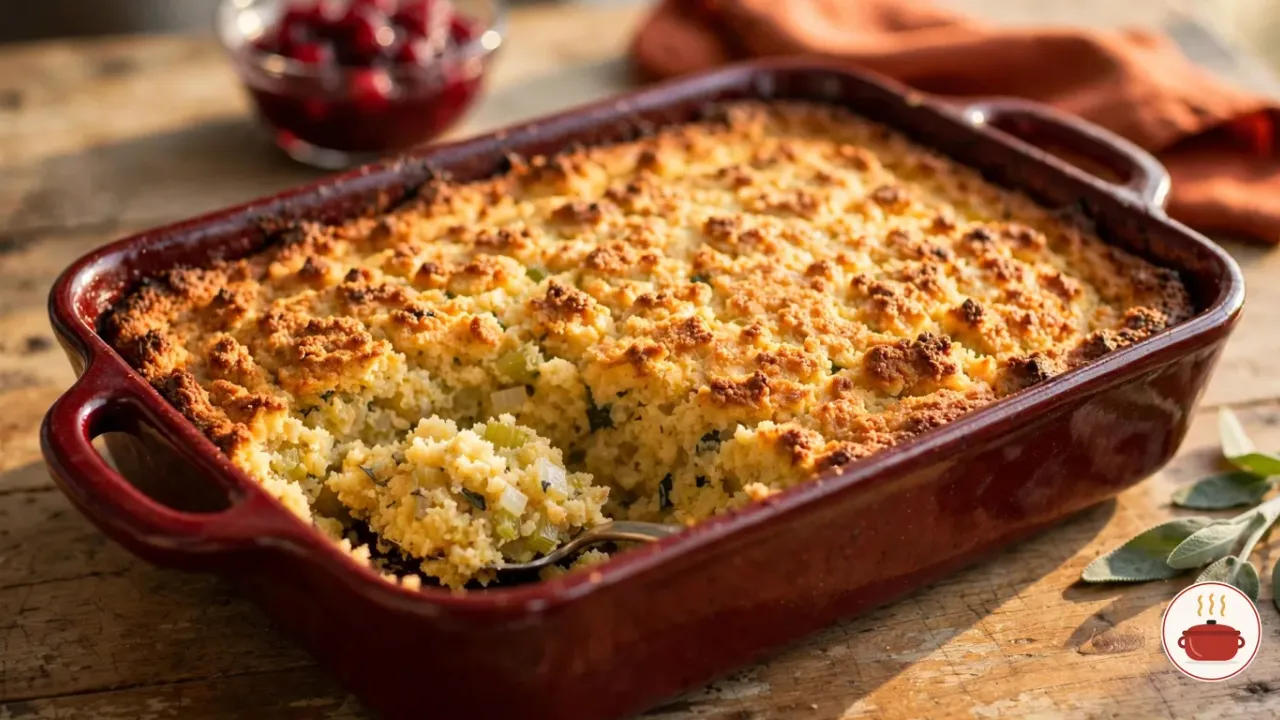
Cornbread dressing is the Southern Thanksgiving side: crumbled cornbread, softened onion and celery, sage, broth and egg, baked in its own dish. The top turns golden and crisp, and the inside stays soft enough to spoon. This version serves 10 and takes about 2 hours, best with cornbread baked the day before.
What cornbread dressing is
Dressing, not stuffing
Across much of the South this dish is called dressing, and many cooks tie the name to baking it outside the bird. “In many Black Southern kitchens, it’s dressing—not stuffing—because it’s baked separately in its own dish,” writes Shaunda Necole of The Soul Food Pot.
The USDA treats the words as one dish. “Regionally in the U.S., it’s called by various names: stuffing, filling, or dressing,” says its stuffing safety page.
A Southern word
The Oxford Encyclopedia of Food and Drink in America calls “stuffing” the common American term. “Dressing” belongs to regional speech, “particularly in the South and Southeast”. Google searches show the same split. In 2024, the Atlanta Journal-Constitution found that 87% of people searching in Mississippi typed “dressing”. Florida, by contrast, sided with stuffing.
Wet before it bakes
Southern cooks agree on one thing: the raw mix is wet. Bibi Hutchings, writing for Salon from the Mississippi Gulf Coast, wants it “quite runny, a bit thinner than cake batter”. In South Carolina Living, Mike Couick asks for “about the consistency of pound cake batter”.
Where cornbread dressing comes from
Corn from Native cooks
The corn came first. Corn is an Indigenous American crop. On the East Coast, Native people ate nixtamalized corn “as a porridge and in stews”, Garden & Gun explains. No source we read traces the dressing itself to one Native dish.
Cornbread in the turkey by 1867
The oldest cookbooks we read show the dish forming slowly. Mary Randolph’s Virginia House-wife (1824) has corn breads and wheat stuffings, but no cornbread dressing. Neither do Lettice Bryan (1839) or Abby Fisher (1881), whose turkey takes “light bread chopped fine”.
The first cornbread stuffing we found is in Dixie Cookery, by Mrs. Barringer of North Carolina, printed in 1867. Her turkey filling is “two-thirds wheat bread and one-third corn bread”, with butter, egg yolk, parsley and celery.
A “dressing” by 1875
Eight years later, church cooks in Paris, Kentucky, used “dressing” as a noun. In Housekeeping in the Blue Grass (1875), a stuffed ham takes “a dressing made of corn-meal muffins, hoe-cake, or grated biscuit”. Onion, sage and celery seed season it.
Baked in the pan by 1904
The Diamond Mill Cook Book, from Winnsboro, Texas, came out in 1904. Its oyster dressing mixes biscuit, light bread and cold “egg bread”, a Southern name for cornbread made with eggs, with eggs and onion. Then, “When fowl is partly done put dressing in one end of pan and bake”. It was no longer inside the bird.
The all-cornbread casserole baked with broth and egg, like most of the recipes we read, came later, in the 20th century. We could not find its first printed recipe.
The “polite word” story
You may read that Victorians said “dressing” because “stuffing” sounded crude. The Oxford encyclopedia repeats the idea but gives no source. The old books show something simpler: “dressing” was long a cooking verb, and became a noun for the filling.
Cornbread dressing for Thanksgiving 2026
Thursday, November 26
Thanksgiving falls on Thursday, November 26, 2026, the federal holiday calendar confirms. Several of the recipes we read make it a Christmas dish, too.
Eggs and butter cost less
This dish leans on eggs and butter, and both got cheaper this year. At September 2026 average prices from the Bureau of Labor Statistics, the 5 eggs and 9 tablespoons of butter in this recipe cost about $2.06. A year before, the same amount came to about $2.79. Those are our own sums from the BLS city averages.
The USDA’s Economic Research Service now forecasts egg prices 29.3% lower over 2026 than in 2025. That follows years of bird flu losses in laying flocks. For 2027, it expects grocery prices to rise just 1.0%.
The turkey costs more
The bird beside the dressing is another story. Bird flu returned to commercial turkey flocks in late summer: 11 cases hit Minnesota, Wisconsin and the Dakotas in September, affecting 544,900 birds. Frozen whole hens fetched 184.0 cents a pound wholesale in the week ending October 2. Those figures come from the USDA’s October livestock and poultry outlook.
The USDA expects wholesale hens to average 175.5 cents a pound in 2026, against 135.8 cents in 2025. These are wholesale prices, not what shoppers pay.
No figure for the dressing itself
No one has published a 2026 count of cornbread dressing: not sales, not searches, not plates served. The American Farm Bureau’s yearly Thanksgiving dinner survey was not yet out on November 4. No 2027 food forecast we read names cornbread or dressing.
What 32 cornbread dressing recipes agree on
We read 32 cornbread dressing recipes in full. Thirty come from Southern cooks and outlets in Alabama, Georgia, Tennessee, Mississippi, South Carolina, Kentucky and Louisiana. They include the Atlanta Journal-Constitution, the Alabama Cooperative Extension System, Edible Nashville and seven Black Southern cooks.
Onion, celery and sage
Onion is in 31 of the 32 and celery in 29, nearly always softened in butter or fat first. Sage, or poultry seasoning built on it, flavours 26. “What is the primary ingredient in poultry seasoning? You guessed it…sage,” writes Lana Stuart of Lana’s Cooking in southwest Georgia.
Raw egg binds 24 of them, a median of 2 eggs a pan. Twenty-one bake at 350°F, for a median of 45 minutes. Fifteen use a 9 x 13-inch dish.
Homemade or mix
Nineteen recipes start from homemade cornbread and 7 from a mix. Ten say the cornbread should be unsweetened, and 8 use some sugar or a sweet mix. “For this Southern style dressing, I recommend using a savory cornbread,” writes Melissa Sperka of Melissa’s Southern Style Kitchen. Buttermilk goes into the cornbread in 14.
Rarely only cornbread
Only 9 of the 32 use cornbread alone. Twelve add white bread or toast, 3 biscuits and 2 saltines. In a Washington Post recipe, Ann Maloney adds white bread because moist cornbread “will largely fall apart as you stir”. Our recipe keeps the white bread optional.
The cream soup shortcut
Fourteen add a can of cream of chicken, mushroom or celery soup. “Many southern cornbread dressing recipes add a can of cream of chicken soup,” notes the blog Southern Plate. We leave it out and use more broth instead.
How wet
For each cup of cornmeal in the cornbread, the median recipe uses 2 cups of broth. Our 2 cups of cornmeal and 3½ to 4 cups of broth sit right there.
Tips for a moist, golden cornbread dressing
- Dry the crumbs. “Day-old cornbread will hold up to more liquid without getting soggy and mushy,” writes Rosie Alexander of I Heart Recipes.
- Skip the sugar. A savoury cornbread lets the sage and onion lead.
- Make it wet. Aim for a loose batter. It firms up as it bakes.
- Taste before the eggs. Season the broth mix first, then add the raw eggs, as Hutchings advises.
- Use a hot skillet for the cornbread. It gives the crumbs a browned crust.
- Check the middle. A golden top is not enough; aim for 165°F (74°C) in the centre.
Serving cornbread dressing
Serve it hot from the dish beside the turkey, with gravy and cranberry sauce. Some families make it a meal by baking shredded chicken into it, as three recipes in our set do.
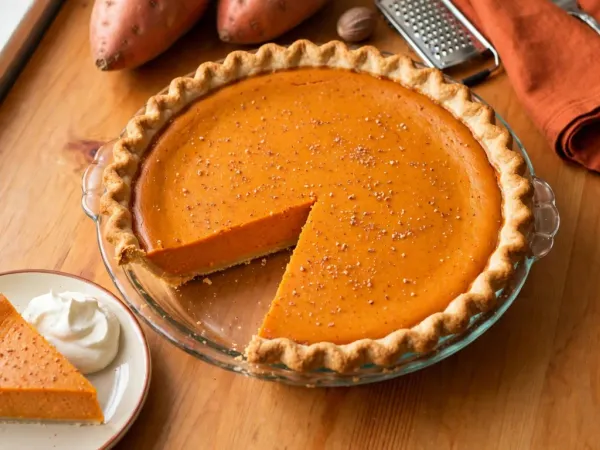
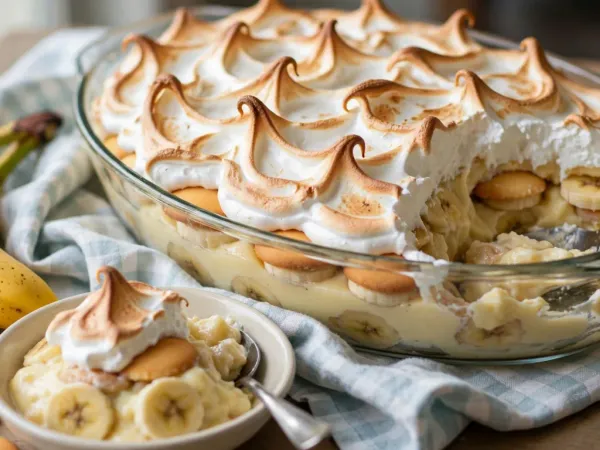
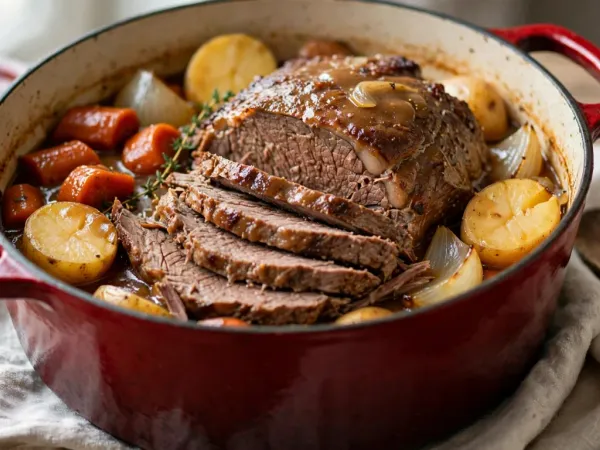
For a full Southern table, finish with sweet potato pie or banana pudding. For a smaller Sunday dinner, it sits well beside a pot roast.
Safety, storing and nutrition
Bake it in its own dish
The USDA prefers this way of cooking it. “For optimal safety and uniform doneness, cook stuffing separately,” its turkey guide says. Stuffing inside a bird may not get hot enough to kill bacteria.
Don’t mix it ahead
You can bake the cornbread, chop the vegetables and measure the broth a day early. Do not combine the wet and dry parts until just before baking, the USDA’s stuffing page says. Never keep the raw mix with its eggs in the fridge overnight. If you must make it ahead, freeze it raw and bake it from frozen, without thawing.
Cook it through
Bake it in an oven set no lower than 325°F. The centre must reach 165°F (74°C), the USDA’s target for casseroles. Fresh eggs may contain salmonella, the FDA warns, so cook dishes that contain them thoroughly.
Leftovers
Chill leftovers in shallow containers no more than 2 hours after baking. Use them within 3 to 4 days, the USDA says, and reheat them to 165°F.
Allergens
This recipe contains egg, milk (buttermilk and butter) and wheat if you add white bread or biscuits. Those are three of the nine major allergens the FDA lists. Made with cornmeal only, it has no wheat, but check the labels on your broth and any mix.
Nutrition
A serving has about 270 calories, with 8 g of protein, 15 g of fat, 29 g of carbohydrate and 3 g of fiber. We built the estimate from the USDA’s FoodData Central entries for each ingredient. Most of the fat is butter.
The sodium, about 910 mg, comes mainly from the broth, the cornbread’s salt and its baking powder. Low-sodium broth lowers it.
Fixes for dry, soggy or bland cornbread dressing
- It came out dry: the mix was too stiff. Next time add broth until it is loose. For now, spoon warm broth over the leftovers.
- It is soggy in the middle: it needed more time, or the crumbs were too fresh. Bake it longer, uncovered.
- The top is pale: move it up a shelf for the last 10 minutes.
- It tastes flat: season the wet mix more boldly next time, before the eggs go in.
- It crumbles apart: add another egg, or some white bread, which holds it together.
- The top browned too fast: lay foil loosely over it and keep baking.
Substitutes for missing ingredients
- Homemade cornbread: two 8.5-ounce boxes of cornbread mix, baked as the box says; it will be a little sweet.
- Buttermilk: milk with 2 tablespoons of lemon juice, left for 5 minutes.
- Bacon fat: butter or oil.
- Rubbed sage: 2 tablespoons of chopped fresh sage, or extra poultry seasoning.
- Chicken broth: turkey broth, or vegetable broth for a meatless version.
- White bread: a stale biscuit or a handful of crushed saltines.
Frequently asked questions
Is dressing the same as stuffing?
Mostly, yes. In the South, “dressing” usually means it is baked in its own dish, not inside the turkey. Elsewhere in the US, “stuffing” is the common word for both.
Can I make cornbread dressing the day before?
Bake the cornbread and cook the vegetables the day before, but mix and bake on the day. Or bake it fully, chill it, and reheat it to 165°F.
Should the cornbread be sweet?
Most Southern cooks in our set who say either way prefer it unsweetened, 10 to 8.
How do I know when cornbread dressing is done?
The top is golden, the centre no longer wobbles, and a thermometer in the middle reads 165°F (74°C).
Can I make it without eggs?
Yes. A few recipes in our set use none, relying on broth or cream soup to hold it together.
Tags: ThanksgivingChristmascornbreadside dishmake aheadholiday