The Sunday Potthesundaypot.com/recipes/fattoush/
Fattoush: Lebanese Bread Salad with Sumac and Crisp Pita
By The Sunday Pot Kitchen Updated
- • Split the pita into thin layers and bake or fry it until golden and crisp
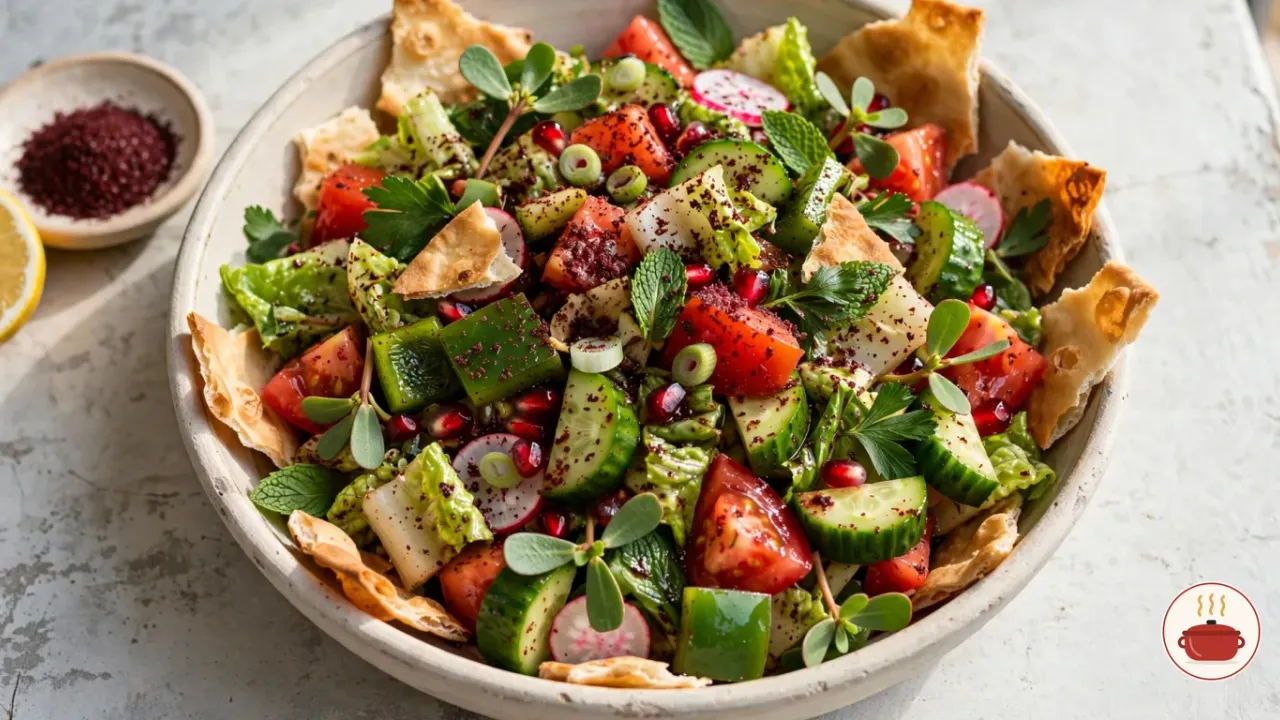
- • Cut the vegetables in big, chunky pieces and keep the herbs as whole leaves
- • Dress with about 4 tablespoons lemon juice, 2 of pomegranate molasses and 6 of olive oil
- • Sumac goes on the bread, in the dressing and over the top
- • Add the bread at the last moment so it stays crunchy
Ingredients
4 servingsInstructions
Fattoush is a Lebanese salad of crisp, broken pita with romaine, tomato, cucumber, radish, purslane and fresh herbs. A sour dressing of lemon juice, olive oil, sumac and pomegranate molasses holds it together. It takes about 35 minutes for 4 bowls, or 6 servings as part of a mezze spread.
What fattoush is
Broken bread and a garden of leaves
Fattoush is an everyday salad in Lebanon and across the Levant. It is “the kind of salad people throughout Lebanon typically make every other day,” writes Tina Rizk, a Lebanese contributor to Mediterranean Living. The vegetables are cut big and the herbs stay whole. The cook Ola Itani explained the traditional Lebanese way to Al Jazeera in 2020: the parsley is not chopped, and its leaves are picked off instead (our translation).
The bread is what makes it fattoush. Thin pita is split, then fried or toasted until it shatters. For Karima Hazim Chatila, writing for SBS Food, “the shower of freshly fried Lebanese bread on top is always the best part.”
The sour comes from sumac
Sumac is a dried, crushed berry with a lemony taste and a deep red color. Fattoush uses it twice: in the dressing and dusted over the top. In Lebanon it also goes into the topping for man’ouché, the flatbread that UNESCO added to its heritage list in 2023. That topping is “a mixture of thyme, sumac, toasted sesame seeds, salt and olive oil,” the listing says.
Where fattoush comes from
A word for broken bread
The name comes from the Arabic fatt, to crumble or break up. The same root gives fatteh, a family of dishes built on torn stale bread. Thrifty cooks have long used up old bread this way.
The oldest printed fattūsh we could read is in a French-Arabic dictionary printed in Beirut in 1857. It translates the French word panade, a dish of bread softened in liquid. That is a word in a dictionary, not a recipe. It tells us the name for a bread dish was in use in Beirut by then.
The salad shows up in English cookbooks by the 1950s. Myra Waldo’s Round-the-World Cookbook, from that decade, has a “mixed salad (fattoush)” that starts with tomatoes and fresh mint.
The Zahle story, and why it doesn’t add up
Lebanese media often tell a story about the name. In 1862, it goes, Christian refugees sheltered with the Fattoush family in Zahle. They were fasting and ate only bread and vegetables. A guest joked to his host, and a patriarch named the dish after the family.
It’s a good story, but the dates don’t fit. The fighting at Zahle was in 1860, not 1862. Gregory Youssef, the man in the story, became patriarch only in 1864. And the 1857 dictionary already uses the word. A Fattoush family of Zahle is real, though.
A salad for Ramadan and Lent
Hardly any Ramadan table in the Levant lacks a plate of fattoush, Hala al-Khatib wrote from Beirut for Al Jazeera (our translation). Simply Lebanese says it is on the table “all 30 days of Ramadan”. With no meat, eggs or dairy, it also suits Christian fasting days.
Why fattoush fits this autumn
Sumac on the 2027 trend lists
On October 15, 2026, Nestlé USA published its forecast for 2027. Its first trend is zesty food. Zest arrives “in yuzu kosho, calamansi, sumac and chile citrus,” the company says in its press release. It reports that searches for “zesty foods” rose 130% in a year, based on Google Trends data for the United States.
A week earlier, the food marketing agency MorganMyers put sumac on its own 2027 flavor list. Its survey also found less appetite for new flavors than a year before, falling from 63% to 51%. So these are forecasts, not proof of a boom.
A new book from Lebanon
In late June, the food writer Anissa Helou launched Lebanon: Cooking the Foods of My Homeland in Beirut, at the Tourism Ministry. According to the AP, as carried by The News Minute, it includes a section on food in southern villages that have suffered the worst destruction. Helou is the daughter of a Lebanese mother and a Syrian father, the AP notes.
Olive oil has come down
The dressing is mostly olive oil, and it has stopped climbing. In the week of June 15 to 21, growers in Jaén, Spain, got €378.50 per 100 kg for extra-virgin oil. That was 7.5% more than a year earlier. In Bari, Italy, the price in late May was 41.8% lower than a year before. The International Olive Council published both figures in July. Store prices differ from country to country.
No number for the salad itself
We found no 2026 sales, search or menu figure for fattoush. The trend is about its souring spice. Ramadan 2027 is expected to begin around February 8, so it will be on many tables then too.
What 31 fattoush recipes agree on
We compared 31 published fattoush recipes. Fourteen are in Arabic, from Sayidaty, Atyab Tabkha, WebTeb, Mawdoo3 and Al Jazeera. Six more are by Lebanese cooks writing in English, such as Anissa Helou and Mama’s Lebanese Kitchen. The other 11 include SBS, BBC Good Food, NPR and Great British Chefs.
Sumac in every one
All 31 use sumac, and all 31 use cucumber. Tomato is in 30, lettuce in 26, fresh mint in 25 and parsley in 24. Radish is in 21. The median is 2 teaspoons of sumac for 4 servings, often split between the dressing and the top.
Lemon first, molasses often
Lemon juice is the acid in 30 of the 31, with a median of 3 tablespoons for 4 servings. Twenty add pomegranate molasses, a thick, sour syrup. The median is just under 2 tablespoons.
The median olive oil is about 4 tablespoons. This recipe uses a little more, because the bread soaks some up. Zaatar and Zaytoun says the same: “with fattoush you add a bit more than usual”.
Fried or toasted bread
This is the big split. Fifteen recipes toast or bake the bread, 10 fry it and 5 say either. Among the Arabic and Lebanese recipes it is close to even. Two Arabic health sites fry the bread in their recipes but tell readers to toast it instead.
Purslane marks a Lebanese version
Purslane, baqleh in Arabic, is a juicy green with small round leaves. Nine of the 20 Arabic and Lebanese recipes require it and 4 more make it optional. Only 2 of the other 11 use it. The Mediterranean Dish skips it, “because it can be difficult to find.”
Less garlic in Lebanon
Garlic is in 9 of the 11 recipes from outside the region but only 7 of the 20 Arabic and Lebanese ones. Vinegar is rare and mostly Western. So this recipe makes garlic optional and leaves out vinegar.
Bread goes in last
Twenty-nine of the 31 recipes add the bread at the last moment. Only two British magazine recipes let it soak on purpose. “Toss the vegetables with the bread and dressing immediately before serving the fattoush or else the bread will go soggy,” warns Chef in Disguise.
How to keep fattoush crisp and bright
- Split the pita. Two thin layers crisp all the way through. A whole pita stays chewy in the middle.
- Dry the greens well. A salad spinner is the easiest way.
- Cut big. Fattoush is chunky. Fine dice is for tabbouleh.
- Keep the herbs whole. Picked leaves of parsley and mint stay fresh and don’t bruise.
- Dress at the table. Even 10 minutes in the dressing softens the leaves and bread.
- Taste for sour. The salad should make your mouth water. Add lemon until it does.
Fattoush across Lebanon and its neighbors
- Tyre style: at the restaurant Las Salinas, the chefs use “very finely shredded cabbage” instead of lettuce, Helou wrote in an excerpt in The National. Sumac is the only sour note.
- South Lebanon: the chef Somaya Hijazi, from Yaroun, adds verjuice vinegar and dried herbs to the dressing, she told Al Jazeera in 2021.
- North Lebanon: Mama’s Lebanese Kitchen traces its herb-heavy version to villagers in the Kadisha valley.
- Syrian style: za’atar on the bread and cider vinegar in the dressing.
- Restaurant style: shredded cabbage, carrot and pomegranate seeds.
- No pita? Torn lavash or plain tortilla chips, toasted with oil and sumac.
Serving fattoush
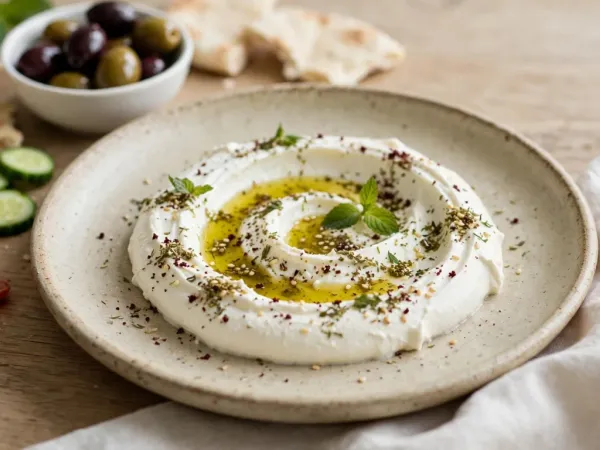
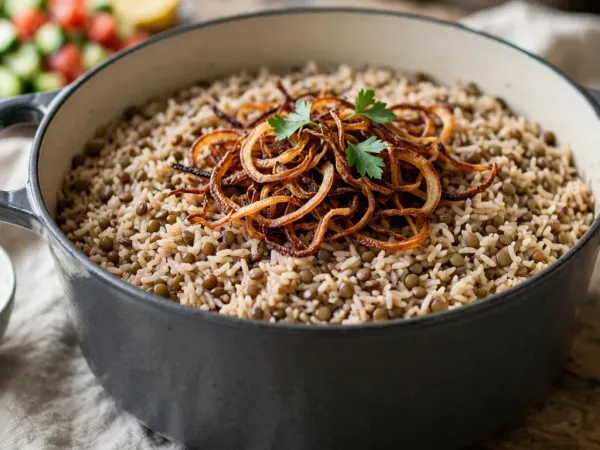
Serve fattoush in a wide, shallow bowl for sharing. As a mezze, put it beside creamy labneh with warm bread. It also cuts through rich food. Pair it with grilled chicken or lamb, or with a pot of mujadara, lentils and rice under fried onions.
If you are breaking a fast, start with a bowl of soup, such as Turkish mercimek çorbası, then the salad.
Safety, storing and nutrition
Washing the greens
Everything in fattoush is raw except the bread, so wash it well. The FDA’s advice on serving produce safely is to wash produce under running water and skip soap or produce wash. It also says to “scrub firm produce, such as melons and cucumbers, with a clean produce brush.” Wash your hands for 20 seconds before you start.
Picking wild purslane
Purslane grows as a weed in many gardens. It has a poisonous look-alike called prostrate spurge. Break a stem: spurge leaks milky white sap, while purslane’s sap is clear, explains Mississippi State University Extension. If in doubt, leave it out.
Frying the bread
Baking the bread avoids hot oil, and it tastes just as good. If you fry it, stay with the pan the whole time. Cooking is “by far, the leading cause of home fires and home fire injuries,” the US Fire Administration warns. Keep a lid or baking sheet next to the pan to smother a fire. Never use water on burning oil.
Allergens
Pita contains wheat, and many flatbreads are baked next to sesame breads. The FDA lists sesame as the ninth major food allergen in the United States, since 2023. Sumac is in the same plant family as cashews and pistachios, so anyone with those allergies should ask their allergist first. For a gluten-free salad, use certified gluten-free flatbread or chips.
Storing
Dressed fattoush doesn’t keep, because the bread goes soggy. Store the parts apart instead. Somaya Hijazi keeps the chopped vegetables in the fridge without the tomato or dressing, covered with paper towels. Baked pita chips “will hold for a couple of days in an airtight container,” Maureen Abood writes on her blog. The dressing keeps in a jar in the fridge for several days.
For leftovers, the UK’s food agency says to eat leftovers within two days. Don’t freeze the salad.
Nutrition
One serving, a quarter of the recipe with baked bread, has about 440 calories, 7 g of protein, 31 g of fat and 36 g of carbohydrate. It has about 6 g of fiber and 620 mg of sodium. We based these figures on USDA FoodData Central values for each vegetable, pita and olive oil. USDA has no plain entry for sumac or pomegranate molasses, so we used a Lebanese brand’s label for the molasses. Frying the bread adds more fat.
Parsley is very high in vitamin K, so check with your doctor if you take a blood thinner such as warfarin. Some sumac is sold with added salt; check the label.
Fixes for soggy or flat fattoush
- The bread went soft: it was dressed too early, or not crisp enough. Bake it a few minutes longer and add it at the table.
- The salad is watery: the greens were wet, or the tomatoes very juicy. Dry the leaves and seed the tomatoes if needed.
- It tastes flat: add lemon juice and a pinch of salt.
- It is too sweet: some pomegranate molasses has added sugar. Use less, and add lemon.
- The sumac tastes dusty: it is old. Fresh sumac is deep red and smells fruity.
- The leaves look bruised: the herbs were chopped. Pick whole leaves instead.
Substitutes for missing ingredients
- Purslane: watercress, baby spinach or more parsley.
- Pomegranate molasses: leave it out and use a little more lemon.
- Sumac: finely grated lemon zest, but the color and fruitiness will be missing.
- Persian cucumbers: half an English cucumber.
- Pita: lavash, or good plain pita chips.
- Green pepper: a few slices of mild green chile, or leave it out.
Frequently asked questions
What is the difference between fattoush and tabbouleh?
Tabbouleh is mostly finely chopped parsley with a little bulgur. Fattoush has big pieces of vegetables and crisp bread, and it uses sumac.
What does sumac taste like?
Sour and fruity, a little like lemon but softer. It is dark red, never bright orange.
Is fattoush vegan?
Yes. Check that your pita has no milk or egg.
Can I make fattoush ahead?
Make the parts ahead and keep them apart. Toss them together just before you eat.
Should the bread be fried or baked?
Either. Of the recipes we read, 15 bake it and 10 fry it.
What is purslane?
A juicy green with small, round leaves and a light lemony taste. Look for it at Middle Eastern grocers and farmers’ markets in summer.